How To Manage Money On A Tight Budget
When you have a tight budget, you need to make your money to go as far as you can, to get your essentials done before your non-essentials. It includes monitoring income and expenditure, differentiating between needs and wants, cutting down on unnecessary costs, reducing debt and saving even a small sum in case of emergency. Being budget-conscious doesn’t imply skimping on pleasure or on fulfilling your financial objectives. It involves making every sum of money have a distinct purpose. By using a spending plan and practicing good money habits, you can decrease financial stress and make positive choices with your money.
Start By Understanding Where Your Money Goes
It is a common mistake to think that if you are too short on cash, you always feel that you don’t have enough. But it’s not always about earning more first. It is knowing where your money is going and what it is being spent on.
Record all sources of income and all expenses for one month. Include small purchases, regular bills, groceries, transportation, loan repayments and subscriptions. Never discount costs that may appear insignificant.
It’s not the big purchase that makes an impact, it’s the small purchases made repeatedly. It’s possible that a daily coffee or a number of unused subscriptions might not seem that much. Their monthly earnings can combine for a significant portion of your pay.
After you have the numbers, you can split your expenses into three basic categories:
- Essential Expenses: These include rent, utilities, food, transportation, medicine and minimum debt payments.
- Spends: Entertainment, clothing, eating out, hobbies and personal spending.
- Financial objectives: savings, emergency savings and additional debt repayment.
This easy-to-read list reveals what needs to be covered, what can be changed and what needs to be looked at later.
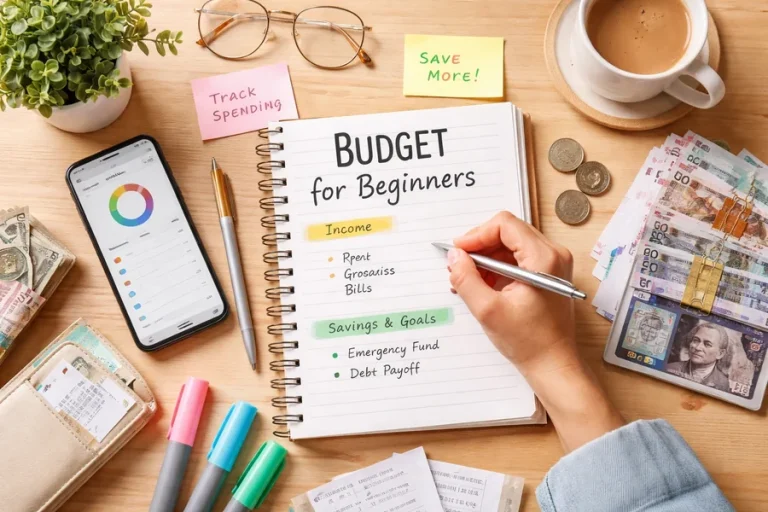
There is no need for a fancy budgeting application. A notebook, spreadsheet or even a simple notes app will do. The most effective budgeting system is the one that you can stick to.
Build A Realistic Budget Based On Your Income
You’re best served by a budget that is based on your financial reality. Don’t develop a plan that is appealing on paper, but impractical to implement.
Use the monthly income that you take home. Next subtract the essential costs from that. When there’s not much money remaining, you should prioritize flexing your budget instead of adopting a rigid budgeting guideline.
The 50/30/20 budgeting rule is a familiar concept to many, as it allocates income into three categories: needs, wants, and savings and debt repayment. This can be a helpful guideline, but may not apply if you have a low income or fixed costs are high.
Your budget may need to be quite different.
For instance, if you earn $2,000 a month and your essential expenses are $1,650, then, you have $350 left. If you were to spend $600 on wants and save $400, you would be in deficit. A better plan is to save a minimal percentage of it, put aside a reasonable amount that you can spend on yourself, and then allocate the remaining to your bills or your debt.
The idea isn’t to make a perfect budget. The objective is to develop a budget that you can adhere to.
A realistic budget will help to answer some fundamental questions:
- What is the average monthly income?
- Which costs are to be covered?
- What can be cut?
- What is the scope for saving even if it is a small amount?
- What is the acceptable amount of money to be spent without any debt?
Set up a purpose for your money before the month is over. This is easier to do because you are already aware of what each portion of your income is going to be used for.
Separate Needs From Wants
Perhaps one of the most valuable tips for handling cash on a tight budget is learning how to distinguish your needs from your wants.
A need is something that is necessary for living or a significant duty. A want is an item that makes you more comfortable or more enjoyable, but is not necessary.
Sometimes the difference isn’t as clear as it is. For instance, transportation might be a necessity, but a taxi car each day might be a luxury. We eat because we need it, but we don’t necessarily want to eat out at a restaurant.
This does not mean that you have to deplete all the wants. It is hard to stick to a budget when there’s no money left over for fun. Instead, set limits.
Consider this question before buying:
- Need I this now?
- Have I got something that does a similar job?
- Am I going to be able to find it cheaper elsewhere?
- Will it make a significant impact on a major bill or financial goal?
- Would I want to wait 1 week?
Many impulse purchases can be avoided by waiting for a short time. When you have still need or want it after waiting, you can make your decision about it being on your budget.
It’s also possible to have a little “fun money” category. Just a bit can leave you with some wiggle room, but not enough to overspend on entertainment.
Reduce Everyday Expenses Without Making Life Miserable
Saving money doesn’t necessarily require you to make huge changes. Identify recurring expenses that can be trimmed without causing undue added stress.
Begin with the costs that you have some control over. Check phone plans, internet plans, streaming services, insurance, memberships etc. and cancel what isn’t necessary. Avoid paying for services that you don’t use and shop around where feasible.
Another place where little changes can make a big impact is with food. Eating out the plan before going shopping can help minimize waste and impulse buys. By preparing meals at home more often, you can save money on food.
Use the following strategies:
- Go through a list of food items before going to the supermarket.
- Do the price comparisons between brands and stores.Make comparisons of price between brands and stores.
- Utilize foods you have in your home first and purchase others if necessary.
- Use inexpensive ingredients in meal planning.
- Limit eating out and take-out.
- Purchase in bulk quantities only when needed.
- Don’t go shopping when hungry or in a rush.
When it comes to a budget, transportation can be a factor. Do errands together, if possible; take public transportation or walk for short distances or car pool.
It’s also advisable to be focused on only buying small items. Typically, large periodic costs have larger savings potential. These can have a significantly more impact than overlook one of the more expensive purchases, when moves to a lower cost apartment, refinancing up to an appropriate level of expensive debt and changing an unnecessary service can have a much bigger impact.
The short answer is to strategically cut costs. Your budget should help you to improve your financial position without making life unpleasant.
Manage Debt And Build A Small Emergency Fund
Debt can make budgeting a lot more difficult as a portion of your future income is already covered. If you have a debt, pay it off on time and the amount of interest you are paying.
Once you’ve paid your basic expenses and minimum payments, pay off high interest debt. It can become very expensive with credit card debt as the interest rates can add up.
There are two typical methods for getting rid of debt: debt avalanche and debt snowball.
With the debt avalanche technique, you prioritize paying off the debt with the highest interest rate first. This can decrease the overall interest you owe.
Debt snowball method starts with the smallest debt. If it is easier to stay motivated to pay off smaller debts, then that can help give you a sense of progress.
It’s not a good idea to either of these if you keep increasing your debt load and spending money on necessities. If you’re always short of cash, you should first deal with any shortfall between income and essential spending.
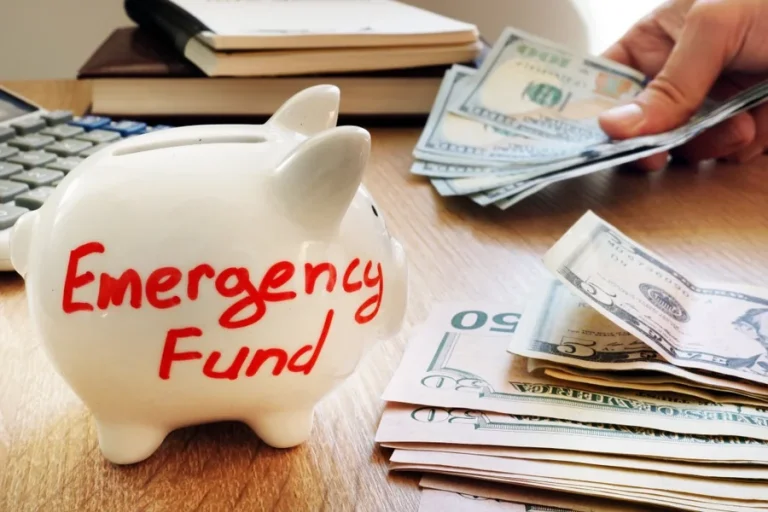
While doing this save money for an emergency fund. You don’t have to have a huge goal in mind. Even the smallest emergency fund can provide some cushion for unforeseen expenses like a repair, doctor’s bill or a sudden trip.
Choose an amount that you know you can save each month. It may be $10, $25 or whatever is feasible. The key is to develop the practice.
Use Simple Habits To Stay On Track
Making a budget is just the first step. The actual advantage is when followed over time.
A good practice is to review spending on a regular basis. You don’t need to check all the transactions multiple times throughout the day. If you only check once or twice a week, it will be easier to spot if there are any problems before they get too big.
You may have different savings bank accounts or categories that you use for various reasons. For instance, rent, bills and expenses can be set aside from regular spending. This is easier to avoid spending money that is already earmarked.
Another option to help is to automate saving whenever possible. It is easier to not spend your money if you put it into savings soon after you receive it.
Limit spending on things that you tend to overdo. If dining out is an issue, determine the number of times you can eat out a month. If online shopping is an issue, create a specific monthly limit.
When changing lifestyles, it is also important to audit your budget. Things can change over time to your income, rent, bills, debt and priorities. A budget should be flexible to their changes.
Never give up on the plan because you made a mistake with the amount of money that you spent. Everyone gets into some money trouble. Repeat looking at what happens, adjusting the numbers and repeating.
Consistency is more important than perfection.
Final Thoughts
The key to managing money with a small budget is simply making purposeful decisions with a small budget. There’s no need for a big income or a complex financial system to get started.
First, keep a track of your finances! Be certain of your income and expenditures. Make sure to use the money for essentials, distinguish between needs and wants, cut down on expenses when you can and don’t take on unnecessary debt. Meanwhile, leave your wallet open for little savings so unforeseen expenditures don’t immediately become an emergency.
Not all budgets are created equal. It’s the one that you can stick to month by month.
If you’re financially strapped, concentrate on one improvement to your career at a time. Cancel one of the two subscriptions that you don’t need. Cut down on a normal cost. Plan your groceries. Set aside some money. When you can, pay a little extra on costly debt.
The small choices that you make in the financial area can have a significant impact when you make these decisions over and over. Money management on a budget is not a matter of making more money. It has to do with managing the dollars you have in a more controlled, goal-directed and confident manner.