How To Create A Personal Budget That Works
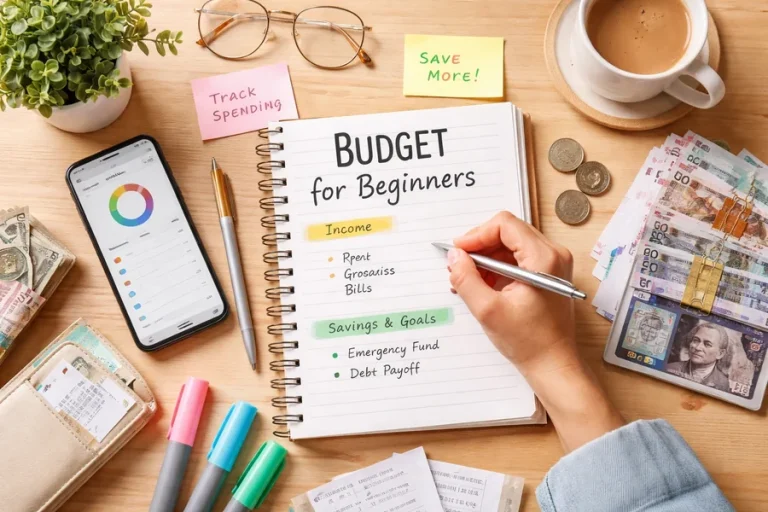
A personal budget is a straightforward plan of what you’ll do with the money you get every month. It is utilized to keep tabs on the revenue you make, manage your expenses, plan for bills, and strive for monetary objectives. A good budget does not mean you have to cut out all of your purchases or make your life difficult. It’s about allocating all your income to a specific purpose. With a personal budget, you can list income and expenses, set a realistic spending limit, and review your progress frequently to make long-term personal budgeting easier.
It is much easier to manage money when you know where it’s going. However, many people have trouble establishing a budget due to the fact they make it too difficult or have set their limits to be not in line with their real lifestyle.
A helpful budget should be viable in the real world. It should be able to make ends meet, cover day to day living, deal with emergencies and help you meet your financial objectives. It needs to also provide space for your favourites.
The good news is that you don’t have to have an advanced knowledge of financial matters to create one. The first step is to get a notebook, spreadsheet, or budgeting app and now follow a few easy steps.
Understand Why A Personal Budget Matters
With a personal budget, you will have a clear understanding of your finances. If you have not, it is easy to spend money without realizing how small purchases will add up.
For instance, you might think you are spending very little money on food, subscriptions, transportation or online shopping. Once you track these expenses for a month, you may discover that they take up a much larger part of your income than expected.
A budget will help you to:
- Know where your spending money goes monthly
- Avoid unnecessary overspending
- Make sure you have some funds for unforeseen and planned costs.
- Save up a cushion of funds for emergencies.
- Pay off debt more efficiently
- Establish short and long term goals
- Learn to make wise choices about spending.
- Reduce financial stress
Another bonus to budgeting is that it allows you to help make decisions before you spend. You don’t have to ask yourself if you can afford something after you’ve purchased it, but rather, you should determine how much money you have to spend first.
The point isn’t to keep a close eye on every penny for eternity! The aim is to be aware enough and make sound financial decisions.
Calculate Your Monthly Income
The first and most important part of developing your own budget is to find out how much money you have available.
With a fixed salary this is not too difficult. Do not use gross salary, but rather your regular take home pay. Take home pay is the net salary received after taxes and other deductions.
When you have fluctuating income each month, budgeting needs to be a bit more careful. Individuals with irregular earnings, commission-based, or freelance should consider looking at multiple months of income.
Consider using a conservative estimate based on your lower-income months. This cuts down on the chances that the money won’t balance out if you make extra money.
The following are examples of income that can be part of your monthly income:
- Salary or wages
- The money earned from freelancing or work done as a contract worker.
- Business income
- Rental income
- Regular financial support
- Other reliable sources of income
Don’t count income that you’re not sure of. The best budget is one that is based on money that you could reasonably expect to have.
If your income fluctuates, you can establish a simple monthly budget based on what you expect to receive the lowest amount for a month. The more you make, the more you can save, pay off debt or save for future goals.
List And Categorize Your Expenses
After you determine how much you will make, record your expenses. Now it’s time to put the budget to good use.
Begin with fixed expenses. These are costs that usually remain the same each month. Some examples of these include rent, mortgage payments, loan repayments, insurance, and some subscriptions.
Then, record variable costs. These can be variable each month, and can involve groceries, transportation, electricity, entertainment, clothing and eating out.
Don’t forget to include any irregular costs. These are expenses that don’t show up on a monthly basis, but must be settled. These include annual insurance, school costs, medical bills, costs for holiday, home repairs and vehicle maintenance.
It is a good idea to categorise expenditure into four general categories:
Needs: Costs needed for essential living, including shelter, food, utilities, transportation, and necessary medical care.
Wants: Money spent on something that is not necessary but enhances your lifestyle including entertainment, restaurants, hobbies and non-essential shopping.
Savings: The money kept aside for future buying, investment, emergencies or any other purposes.
Debt payments: Payment on credit cards, personal loans, student loans or other debt.
This will help you understand if you are spending your money on what is important to you.
Set Realistic Spending Limits
Once you have your cost list, put an amount of money on each of the categories that you spend. This is one of the most critical steps to a successful budget.
Don’t arbitrarily limit because they sound great in theory. So if you usually spend a specific amount on food, and suddenly cut back drastically, without actually making any changes in your buying habits, you will probably overspend your food budget.
Rather, begin with your reality spending. Keep records for at least one month (if you can). Then look for areas where you can make reasonable adjustments.
For instance, if you are eating out $300 a month you don’t necessarily have to cut it back to $50 a month. Try to begin at $200 and slowly increase as your habits evolve.
It is important to have budget flexibility, as a realistic budget should do. Not everything goes according to a spreadsheet. You might have a birthday to attend or an increased utility bill, or a surprise repair.
The 50/30/20 rule is one popular budgeting rule. It recommends to allocate approximately:
- 50% of income to needs
- 30% to wants
- 20% to savings and debt repayment
It’s a good guide to follow, but not a rule. These percentages may not be realistic to some individuals depending on housing costs, income, debt, family responsibilities, and living costs in their area.
The best personal budget is a budget that you are at ease with.
Build Savings Into Your Budget
You don’t save money if you have money to spare at the end of the month. Wherever possible, include savings in your budget from the start.
You first need to select specific goals. Goals that aren’t specific like “save more money” are hard to measure. A target like “save $1,000 for emergencies in 6 months” provides you with the motivation to do something.
Think about setting up savings accounts for various purposes like:
- Emergency savings
- A planned purchase
- Vacation or travel
- Education
- Cost of housing and/or personal property
- Retirement or Long-term investing
An emergency fund should be a top priority. It can help you deal with unforeseen costs without having to resort to a credit card or high-interest loan.
If you will be building from scratch, you don’t need to build up a large emergency fund right away. Start by something that is within your means. Regularly saving a little bit can accumulate a helpful financial reserve over time.
Trying to save money is also easier when it’s automated. If your bank permits to do so, arrange a transfer as soon as you receive your pay. This helps to minimize how much one may be tempted to spend the money on first.
Track Your Spending And Adjust The Budget
It’s the initial step in building a budget. It’s also important to review where your actual spending is going versus where you planned it to go.
Regularly check your budget. It is often sufficient to check once a week to be able to identify problems early. Be sure to check the big picture at the end of each month.
Ask yourself:
- Was my main spending budget adhered to?
- What were the categories that exceeded budget?
- Why did those expenses have to be incurred?
- Did I save the money that I intended?
- Was there an unplanned expense that took place during the month?
- What should I change for the following month?
Don’t consider overspending to be a failure. A budget is a learning instrument. Unless you are invariably over a specific category, it may not be a discipline problem, it may be a budget problem.
If you don’t have enough money to pay for groceries each month, boost your grocery budget, and then find ways to save money somewhere else. If you are spending more than you intended on entertainment, you will need to decide if you should increase your entertainment allowance or if you can change your spending habits.
Your financial situation can also change. If you have a new job, you may need to change your budget because of the higher rent, new loan, family expenses, or a new goal.
Common Budgeting Mistakes To Avoid
Using the wrong way to manage even a modest budget can prove troublesome.
Many people would make the error of having too many categories. You don’t need dozens of spending categories unless you feel they are going to help you actually spend more detail. Go fast and only add details as necessary.
The other common error is an irregular expense. There are many times when a budget looks balanced and then an annual bill comes in. Don’t do this, estimate the annual cost and divide by 12. Save that much money each month.
Another issue is that of small purchases, which are ignored. Each of these items, such as a coffee, delivery fee, app subscription or impulse purchase, might be considered a minor purchase. There are multiple of these costs that can make a significant difference in your cash flow.
Last but not least, don’t put a budget on yourself that you can’t keep up with. If you want to cut back on all discretionary expenses, this will have a short-term effect, but it can make budgeting frustrating. If your plan is sustainable, it ought to have some funds for fun.
The goal of a budget is to allow you to spend wisely while staying within your budget.
Final Thoughts
The process of learning to make a personal budget pay is not a matter of finding the ideal budgeting formula, it’s a matter of understanding your own budgeting habits.
First, determine your “reliable income”.Begin by working out your “reliable income”. Write down all of your fixed, variable and irregular costs. Have realistic budget limits and budget savings in. Then audit your spending plan and adjust as life goes on.
Keep in mind that your initial budget doesn’t need to be flawless. It’s a beginning. With a keen eye on spending, you will discover what works, where you tend to spend more than you need to, and what financial priorities are most important.
The best personal budget is a budget that you stick to! Simplify, make believable and check periodically. All these little choices can help you take control of your finances and help you secure a better future for your finances.