Common Budgeting Mistakes To Avoid
Common budgeting mistakes are those that will make you experience difficulties in managing income, controlling expenditures, saving money, and achieving your financial objectives. Common errors consist of setting an unrealistic budget, neglecting unusual costs, underestimating small buys, having undefined saving targets or not checking spending often. Your budget should show your income, your fixed bills, your variable bills, your loan repayments, your saving and your personal goals. By preventing these pitfalls, budgeting can become easier to manage and you can develop sound financial habits without feeling too constrained.
One of the easiest ways to take control of your finances is to budget. However, many make a budget, stick to it for a few weeks and then forget about it entirely. It’s not that they are not disciplined. Often the budget is not feasible or not complete.
A helpful budget can give you insight into how you’re spending your money and inform your future spending choices. Should not make day-to-day life too difficult.
Knowing what the most common personal finance budgeting pitfalls are can help if you’re new to personal finance or have trouble following your budget. Here are the top pitfalls to steer clear of and steps to overcome them.
1. Creating A Budget That Is Too Strict
Trying to make too many cuts is a mistake that’s often made when you’re budgeting. You can choose to cut out ALL the nonessential item categories – eating out, entertainment, shopping, etc. – at the same time.
This can appear attractive on a sheet of paper. In practice, it can be challenging to maintain.
If there’s no money left to enjoy or make a spontaneous decision, you may feel confined. Once you start it, you may go over your budget and drop it.
Instead, it’s preferable to establish a realistic budget. Add some cash for activities you like. It doesn’t need to be a huge quantity, but it should be deliberate.
For instance, if you say that you will never eat in a restaurant, then decide on an amount per month. That way, you can have that meal without beating yourself up over it.
The sustainable budget should include financial obligations as well as modest personal expenditures
2. Forgetting Irregular And Unexpected Expenses
People tend to only look at their monthly budget. The costs of rent, utilities, groceries, transportation, and any debt payments are things that are easily remembered because they happen on a frequent basis.
Unfortunately, not all expenses are recurring.
For example, you may be paying insurance, medical bills, car repairs, school fees, gifts, travel, house repairs, or membership fees. These costs, if not in your budget, can quickly throw off your finances.
That’s why it’s a good idea to step past the month.
Look through your spending for the last year and find some payments that occur infrequently. Next, try to figure out how much money you need to save every month.
If you anticipate a yearly insurance bill of $600, for instance, then the $50 per month allocation is much easier to deal with.
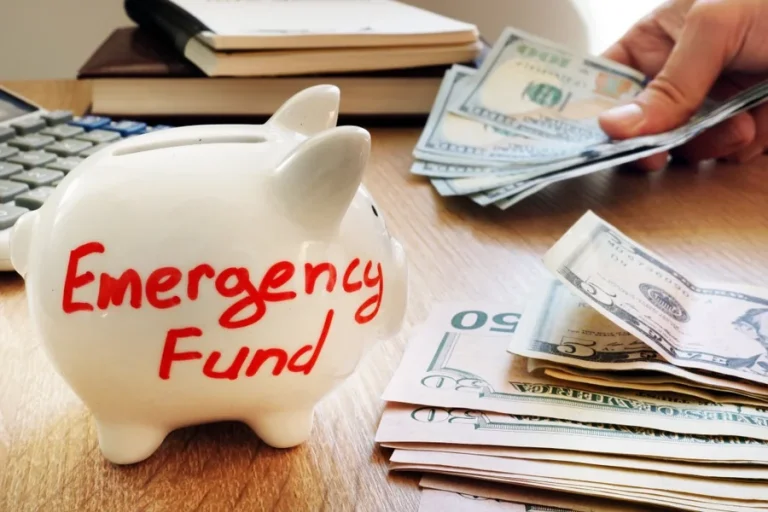
It’s also a good idea to have an emergency fund. It may be used to pay for true emergencies like repairs or a shortfall in income.
When planning for irregular expenses, this does not imply forecasting all of the emergency situations. It is just that not all financial costs come out each month.
3. Underestimating Small Purchases
It’s easy to forget about that little, little purchase. Couple of online orders, a coffee here and there, or a delivery fee there, one item at a time may not make a big difference.
It’s when these costs occur on a regular basis that the problem arises.
Occasionally spending $5 or $10 won’t have much impact on your finances. However, if you make a few purchases each week you can spend a lot of money in a year.
It doesn’t mean that you have to cut out all the little things. Rather, focus on patterns.
Check your bank and credit card statements on a regular basis. Identify areas with micro-payments.
Common examples include:
- Takeout and food delivery
- Coffee and snacks
- App purchases
- Streaming services
- Online shopping
- Ride-sharing
- Convenience fees
But if you have an idea of where the money is going, you will be able to make decisions about the things you want to keep and those you want to cut.
Sometimes, it is better to increase awareness than just to try and cut back.
4. Setting Unrealistic Savings Goals
Budgeting involves saving money, but it is important to have a realistic savings goal.
If you have a monthly income of $3,000, and choose to save $1,500 today, what will be your monthly savings?If you have a salary of $3,000 per month, what will your monthly saving be if you save $1,500 today? If the essential cost of your household already takes up a large portion of your income, then it may be impossible to keep up with that goal.
The better approach is to select a savings amount that’s realistic for your present financial resources. You can adjust it when your income rises and/or your expenses fall.
It also can help set a savings goal. Don’t just say you want to save more, make a goal.
You might save for:
- An emergency fund
- A home down payment
- Education
- A vacation
- Retirement
- A major purchase
- Paying off debt
Specific goals are easier to measure progress and keep motivated.
If possible, automate your savings. If you arrange a transfer after payday, the money may not be so accessible.
5. Not Tracking Actual Spending
Creating a budget is only the first step. Comparing your plan to what actually occurs is also important.
For instance, you might plan on spending $300 on groceries, but end up spending $400. The same issue can be ongoing each month if the difference isn’t checked.
You don’t need to manually record every purchase in order to track your spending. Use a spreadsheet, budgeting app, banking tools or a simple written system.
Consistency is key.
Compare planned expenses and actual spending at the end of every week/month. Ask yourself:
- Are there some categories where I’m overspending?
- What costs exceeded your budget?
- Was there anything that was not needed that was bought?
- Did I save the money I wanted?
- Am I spending my money in a way that is still appropriate for my current lifestyle?
This process can assist you to recognize issues at a premature stage and before they grow into bigger monetary difficulties.
6. Ignoring Debt When Building A Budget
Another budgeting error is to budget for debt repayments last.
Any debt that has a credit card balance, personal loan, student loan, or other debt should be a part of your regular budget.
List each debt, minimum payment, interest rate, and debt balance. Be sure to have enough money to cover the minimum payments.
If there is any extra cash available, you will be able to develop a solution on how to pay the debt. There are two popular methods: the debt snowball and debt avalanche.
With the debt snowball method, you pay off the smallest debt first. This can give a sense of accomplishment and motivation.
The debt avalanche is the approach that starts with the debt with the highest interest rate. This can reduce the amount of interest paid over time.
It’s up to you to decide which is the right approach for you, based on your situation and what works for you to make it easy to stay consistent.
It is crucial to assign a specific budgetary category to debt instead of just paying what’s left over at the end of the month.
7. Failing To Update Your Budget
A plan of spending is not a fixed, once-and-for-ever document. Your finances may vary from month to month this year.
An increase in salary, a change in jobs, a new house, a new loan, cancel of a subscription, or a significant change in your household expenses can happen at any time.
If you don’t have any extra money, it might not be available.
Regularly check your budget, particularly after an increase or decrease in income or expenditure. Most people need a review once a month.
It’s not necessary to create a full budget for each consultation. Making slight changes can add up to significant improvements.
If your salary goes up, for instance, you may allocate the additional funds into savings, paying off debt, and personal spending. If your outgoings grow, you can look at less critical spending areas and determine where you can make changes.
It is much easier to stick to a flexible budget than it is to stick to a budget that says nothing will change.
Final Thoughts
No one wants to be perfect when it comes to budgeting, but it’s about creating a budget that you can follow.
A budget that is successful will accurately represent your actual financial situation. It should have regular bills, irregular expenses, savings, and some allowance for personal spending, as well as debt payments. It should also be regularly updated to ensure it remains current.
The most critical ones are easy:
- Make a realistic budget that reflects your income and spending.
- Make a budget for unexpected expenses, rather than seeing them as an emergency.
- Keep track of your expenditures to gain insight into where your money is going.
- Have specific and reachable savings targets.
- Factor in debt repayment into your normal finance budget.
- Revisit and revise your budget as needed.
Keep in mind: budgeting is not meant to be a limitation on all the purchases. It’s more about making choices on what to do with your money before it is lost. By following a solid strategy and following good savings habits, you can ease the financial strain, make better financial choices and make steady progress toward your long-term financial objectives.