How to Find Your Personal Style
Personal style is how you use clothing, color, and accessories to show who you are, without copying someone else’s closet. It’s not about chasing every trend. It’s about figuring out what makes you feel like yourself, then dressing that way on purpose. Real personal style comes from your actual life — your job, your habits, your body, your mood on a random Tuesday. It takes time to find, and it keeps shifting as you do. There’s no finish line here. Just a better sense of what works, built one outfit at a time.
Why Personal Style Beats Chasing Trends
Trends move fast. What’s everywhere in April is in the donation pile by September. Style that’s actually yours doesn’t have that expiration date, because it isn’t tied to what’s currently selling.
Dress in a way that fits who you are, and mornings get easier. You stop standing in front of a full closet feeling like you have nothing to wear. You also stop buying things that end up with the tags still on, six months later.
There’s a confidence piece too, and it’s real. Wear something that feels right and you carry yourself differently — you’re not tugging at your sleeve or avoiding mirrors. Clothes send a message before you say a single word, so it’s worth making sure that message is actually yours.
Look at What You Already Wear
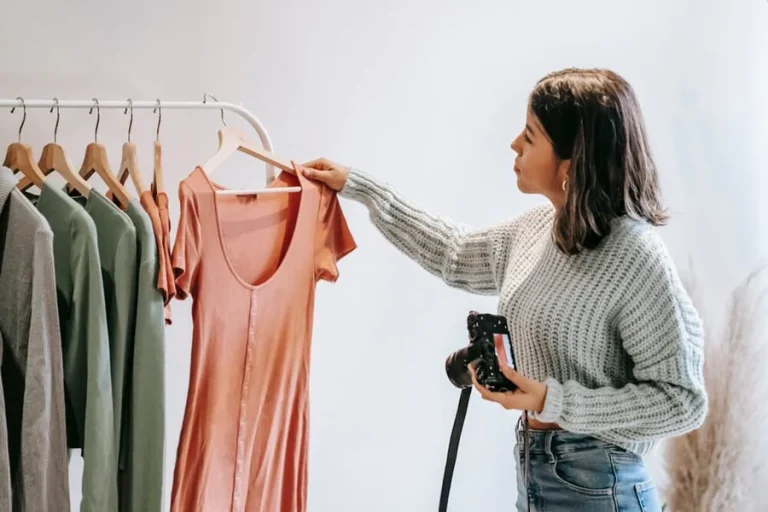
Skip the shopping trip for now. The best clues about your style are already hanging in your closet.
Try this:
- Pull out the five pieces you’ve worn the most this year
- Notice which colors keep showing up
- Check whether you lean toward fitted clothes or looser ones
- See if you’re drawn to plain pieces, or ones with pattern and detail
You’ll probably see a pattern faster than you’d think. Maybe it’s neutrals and clean lines. Maybe it’s color everywhere. Neither is better — it’s just data about what you actually gravitate toward, as opposed to what you think you should like.
Put Together a Mood Board
A mood board is just a collection of outfits and looks that catch your eye — nothing fancier than that. Pinterest works. So does a notes app, or a shoebox full of magazine clippings if that’s more your speed.
Don’t filter yourself while you’re collecting. Save things even if they seem random or contradictory. Give it a week or two, then look back at everything you’ve saved. Patterns show up on their own — maybe every outfit has an oversized jacket, or a flash of red keeps appearing.
This turns a fuzzy idea like “I want to look more put together” into something specific you can actually shop for.
Match Your Style to Your Actual Life
Style has to hold up against your real schedule, not some imagined version of your life. Silk blouses and dry-clean-only everything sound nice until you’re the one running after toddlers or hauling boxes at work.
A few honest questions help here:
- What does a normal day actually look like for you?
- How much time do you want to spend getting dressed?
- Do you need outfits that go from desk to dinner?
- What’s the weather like most of the year where you live?
Answer those honestly, and your style choices start making practical sense, not just visual sense. The wardrobes that actually get worn are the ones built around real life, not aspirational life.
Try Things You’d Normally Skip
You won’t land on your style by thinking about it — you’ll find it by testing things out, including the combinations that might feel a little off at first. That’s fine. Getting it wrong a few times is part of the process, not a sign you’re doing it badly.
Secondhand shops are useful here. Try a silhouette or color you’ve never worn, and if it flops, you’re not out much money. If it works, you’ve just found something new about your own taste that a mood board alone wouldn’t have told you.
Notice how you feel in the outfit, not just how it looks in a photo. Comfort and confidence carry as much weight as the cut of the fabric.
Narrow It Down as You Go
After enough trial and error, certain choices start repeating — colors you keep reaching for, silhouettes that never feel wrong. That’s your cue to start editing.
Go through your closet and pull anything that doesn’t match what you’ve learned about yourself. Keep what feels like you, even if it doesn’t fit neatly into an aesthetic with a name.
A lot of people land on a small, flexible color palette and a handful of pieces that all mix well together. That’s not boring — it’s efficient. Getting dressed stops being a daily puzzle.
And expect this to keep evolving. What worked at 24 might not fit at 34. That’s not a failure of your style — it’s just growth. Let it change.
Final Thought
There’s no shortcut to finding your personal style. It takes some patience and a willingness to get it wrong a few times along the way. Start with what’s already in your closet, build a mood board without overthinking it, and be honest about what your daily life actually requires.
Then experiment. Every outfit — even the ones that miss — teaches you something about what you actually like. Over time, dressing yourself stops feeling like guesswork and starts feeling automatic.
Personal style was never about getting it perfect. It’s about getting it honest. When your clothes actually match who you are, people notice, and so will you.